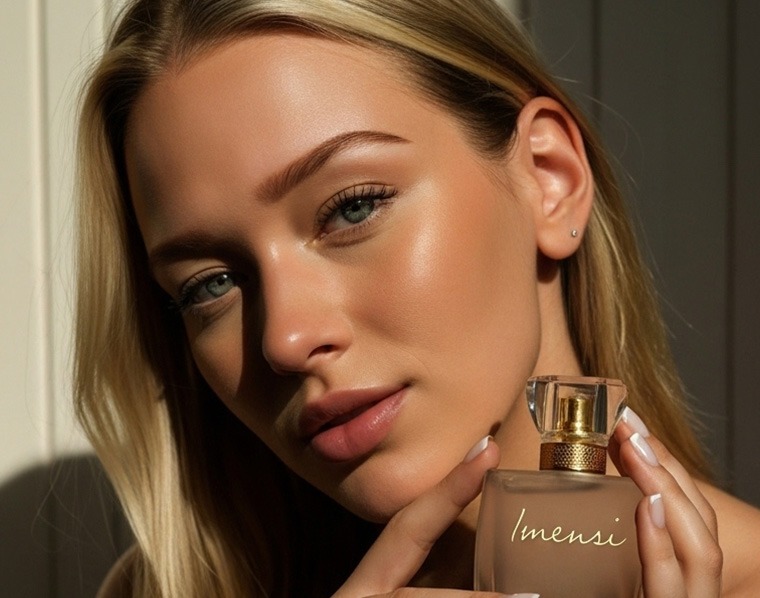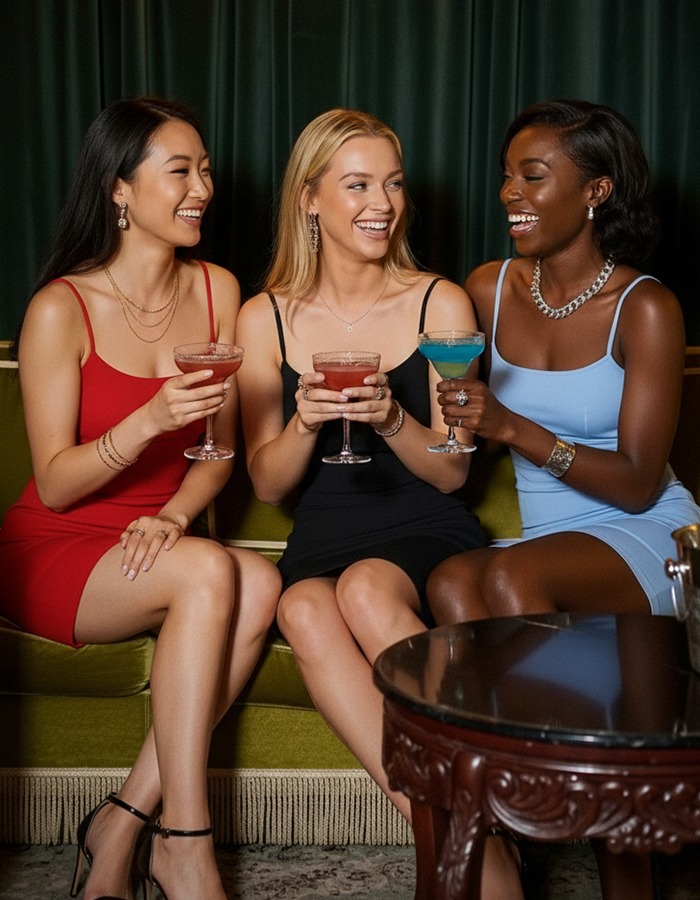
What does it mean to be “authentic” in a world where digital creators can be entirely artificial? It’s a question that modern audiences and brands are learning to answer together. As AI influencers become part of our social feeds, the concept of authenticity is evolving — not disappearing, but reshaping itself through creativity, technology, and human emotion.
AI influencers, also known as virtual creators, are redefining what it means to be real online. They’re not pretending to be human — they’re designed to represent digital identities that mirror our ideals, creativity, and imagination. The rise of these virtual figures is challenging long-held beliefs about trust, storytelling, and connection in the digital world.
Key Points: How AI influencers are reshaping digital authenticity
- AI influencers blend realism and creativity to redefine authenticity in digital spaces.
- They represent a new kind of identity — one built on intention, design, and narrative, not biology.
- Audiences are embracing virtual creators as symbols of artistic expression and futuristic storytelling.
- Brands use AI influencers to communicate trust, diversity, and innovation with full creative control.
- Digital authenticity is shifting from being human-made to human-guided — through AI collaboration.
The evolution of authenticity in the digital era
Authenticity once meant being human, spontaneous, and unfiltered. But in today’s digital age, authenticity is about alignment — between values, visuals, and storytelling. AI influencers have become a part of this evolution, representing honesty through clarity of purpose rather than human imperfection.
From organic influence to digital creation
Social media audiences once craved unedited glimpses into real lives. Now, they crave experiences, aesthetics, and emotion. AI influencers deliver these in ways that feel genuine because they are intentional — every detail, from facial expression to caption tone, is carefully designed to reflect brand and audience harmony.
The shift from human identity to digital identity
AI influencers don’t exist to replace humans; they exist to extend the idea of identity. Each virtual creator is built with a personality, backstory, and mission — turning them into digital ambassadors for modern culture. They symbolize how creativity can transcend physical form, shaping what “realness” means in a connected world.
Transparency as the new trust
Authenticity isn’t about hiding the artificial; it’s about owning it. The most successful virtual influencers are transparent about their AI origins. This honesty creates a unique kind of trust — one based not on illusion, but on shared understanding between creators and audiences.
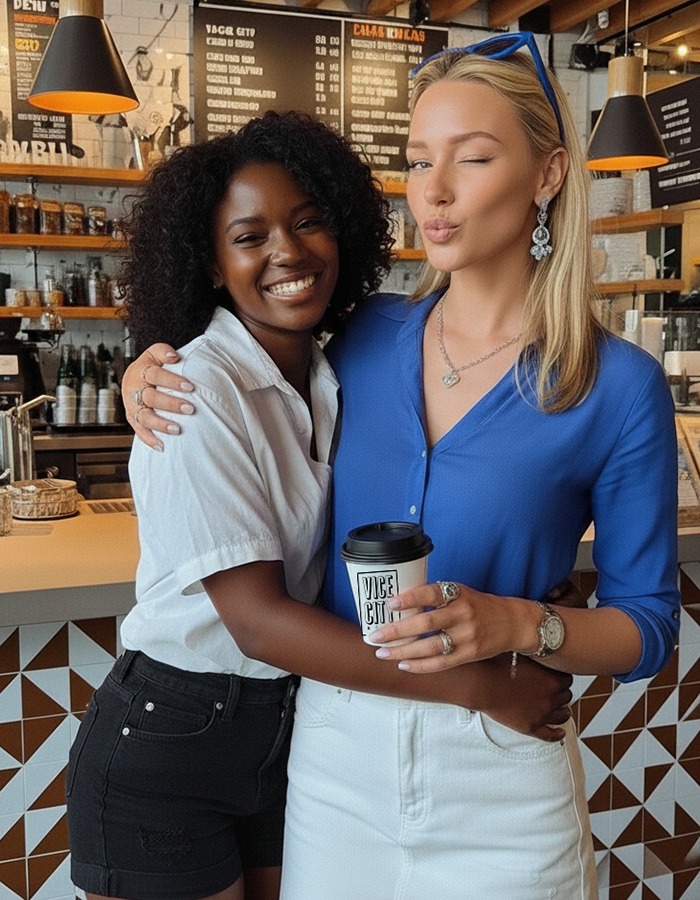
AI influencers as modern storytellers
In digital marketing, storytelling is everything — and AI influencers are its newest narrators. They bring visual precision, emotional range, and creative consistency that allow brands to tell complex stories in clear, engaging ways.
Creating relatable virtual personalities
Audiences connect with AI influencers not because they believe they’re human, but because they relate to their stories. Whether it’s confidence, sustainability, or creativity, virtual creators embody values that audiences admire. They turn abstract brand messages into living, evolving digital experiences.
The art of emotional realism
Through advanced design and AI-driven expression, virtual influencers can mimic emotion — joy, curiosity, reflection — in subtle ways. This makes their content feel real, even when viewers know it’s artificial. Emotion, not flesh, becomes the new definition of authenticity.
Consistency in brand storytelling
Unlike traditional influencers, AI models never drift from their narrative. Every post, look, and tone can align perfectly with a brand’s message. This allows global companies to maintain long-term storytelling coherence across all markets — something that’s nearly impossible with human creators alone.
Redefining creativity through AI collaboration
The rise of AI influencers marks not just a technological trend, but a creative movement. Artists, developers, and marketers are working together to craft digital beings that represent more than perfection — they represent imagination in motion.
Co-creating with technology
In this new creative age, AI is not the artist; it’s the collaborator. Humans provide emotion, vision, and purpose — AI provides precision, scalability, and experimentation. Together, they form a creative ecosystem where digital authenticity thrives.
Breaking visual and cultural boundaries
AI influencers can embody any background, culture, or artistic theme, opening the door to inclusive storytelling. This diversity helps brands communicate values like equality and representation in visually powerful ways, without geographic or cultural limits.
From campaign visuals to digital art
As AI influencers gain creative depth, their content often transcends marketing. Some campaigns are viewed as digital art projects — blending photography, design, and narrative into immersive experiences that inspire conversation, not just clicks.
The future of digital authenticity
In the coming years, authenticity will no longer depend on being human — it will depend on being honest, meaningful, and emotionally resonant. AI influencers are showing that truth can live within fiction, and that creativity can be both synthetic and sincere.
Audiences are not turning away from reality; they’re expanding their idea of it. As we continue to create and connect through digital forms, AI influencers remind us that authenticity is not what we are — it’s what we express.
To learn more about how AI influencers and virtual creators are shaping modern digital identity, visit AIInfluencerWorld. For collaborations or inquiries, contact us today. Follow me for more content like this exploring AI, creativity, and the new meaning of authenticity.